

WORKSHOPS. PROGRAM DEVELOPMENT. PATIENT EDUCATION
Women’s health is finally getting the attention it deserves.
Stress regulation is the missing piece.
Chronic stress is a direct driver of the diseases most threatening women's long-term health.
THE PROBLEM
- Cardiovascular disease kills 1 in 3 women each year. More than all cancers combined.1
- Chronic stress drives systemic inflammation, a key factor in heart disease, high blood pressure, and diabetes.2
- A Harvard study published in JAMA Psychiatry found that higher self-regulation was linked to a 20% lower risk of coronary heart disease.3
Alongside medication, surgery, and lifestyle change, building stress resilience belongs in women's care plans.
THE MIDLIFE TIPPING POINT
When stress and biology collide.
Fluctuating hormones affect mood regulation, disrupt sleep, and make cortisol harder to regulate at exactly the stage when caregiving, career demands, and major life transitions tend to peak.
The science is there. The need is clear.
What's missing is a program that gives women the tools to regulate their stress in a framework built to last.
Closing the gap between clinical guidance and daily practice.
THE OPPORTUNITY

In appointments, providers see the effects of chronic stress clearly.
What's harder to cover in that clinical window is giving women the lifestyle tools to regulate it in daily life.
That's where this work complements forward-thinking women's health programs.
When patients learn how to build their stress resilience and have a repeatable framework for their daily life, they engage more fully with their care, follow through more consistently, and recover more effectively.
Stress regulation belongs with nutrition, movement, and sleep — not as an add-on, but as a core part of what we teach women about their health.
THE APPROACH
Stress lives in the body just as much as in the mind.
Most of us were never taught that. We were told to think positively, push through, or calm down. But the body needs its own tools before any of that can land. This work addresses both: what you know, and what you do.
Knowledge
Understanding your stress response is itself transformative. When women understand why their body reacts the way it does, they stop blaming themselves and start working with their biology. That shift is the foundation everything else builds on.
It's the foundation of resilience. Everything else builds from here.
The Tools
The Framework
Release stress chemistry that accumulates and doesn't clear on its own.
Strengthen the nervous system's baseline so calm becomes the default.
Develop stress literacy and habits that reduce how much load accumulates.
The Practices
Breathwork
Shifts the nervous system in minutes, creating a measurable physiological change.
Guided Movement
Releases the tension stress leaves behind in the body over time.
Awareness Practices
From journaling to mindfulness, helps women recognize stress signals before they compound.
Meditation & Imagery
Builds the brain's capacity to return to calm and sustain it under pressure.
The kind of support that turns good health guidance into lasting change.

Understanding how stress works in their body gives them the power to change it.
Tools they can consistently rely on, in real life, not just in a session.
Resilience that strengthens their health and supports their recovery.
Patients who are equipped to act on the guidance you give them.
Better outcomes from every intervention you already offer.
A distinctive position at the forefront of integrative care.
Build the kind of resilience that holds through health challenges, high-pressure seasons, and the demands of a full life.
WHO THIS SERVES
WHAT THIS LOOKS LIKE IN PRACTICE
Formats & Options
Listen to a 15- minute introduction to the Body-First Approach.
About
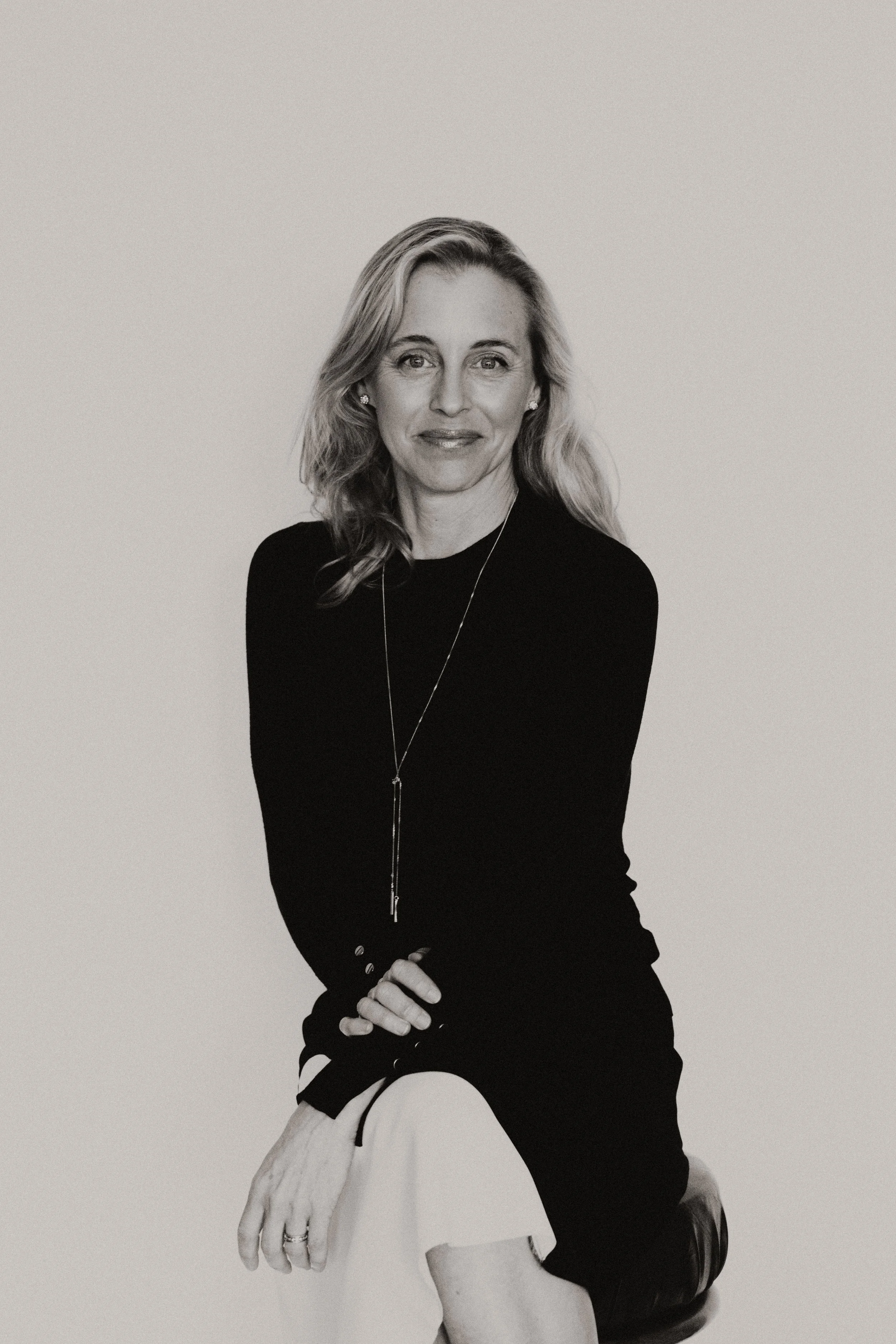
Pam Reece is a teacher and consultant specializing in stress regulation and resilience education for women in midlife. With 20+ years in wellness and women's health, her work is built on a body-first approach grounded in nervous system science, practical and designed to work in real life.
Her work spans one-on-one coaching, corporate workshops on performance under pressure, and whole-person wellness program design for a longevity-focused luxury branded residence, built from concept to full programming across movement, recovery, mental health, and longevity.
She trained at Health, one of NYC's first complementary medical centers, and through MBSR, The Center for Mind-Body Medicine, and The HeartMath Institute.
"Within the first five minutes of meeting Pam, you want to bottle her calm. She gives tangible, actionable steps to overcome what you're struggling with."Sarah O'Brien Hammond, The Network of Women
Get in Touch
ReferencesAmerican Heart Association, Go Red for Women; AHA 2025 Heart Disease and Stroke Statistics UpdateHatamova et al., "Chronic Stress, Diabetes, and Cardiovascular Disease," Cureus, January 2026. DOI: 10.7759/cureus.102108Kubzansky LD, Park N, Peterson C, et al. Healthy Psychological Functioning and Incident Coronary Heart Disease: The Importance of Self-regulation. JAMA Psychiatry. 2011;68(4):400-408. doi:10.1001/archgenpsychiatry.2011.23